ictPrep | The Ultimate Edexcel & Cambridge ICT Learning Hub
Chapter 6: Risks to data and personal information
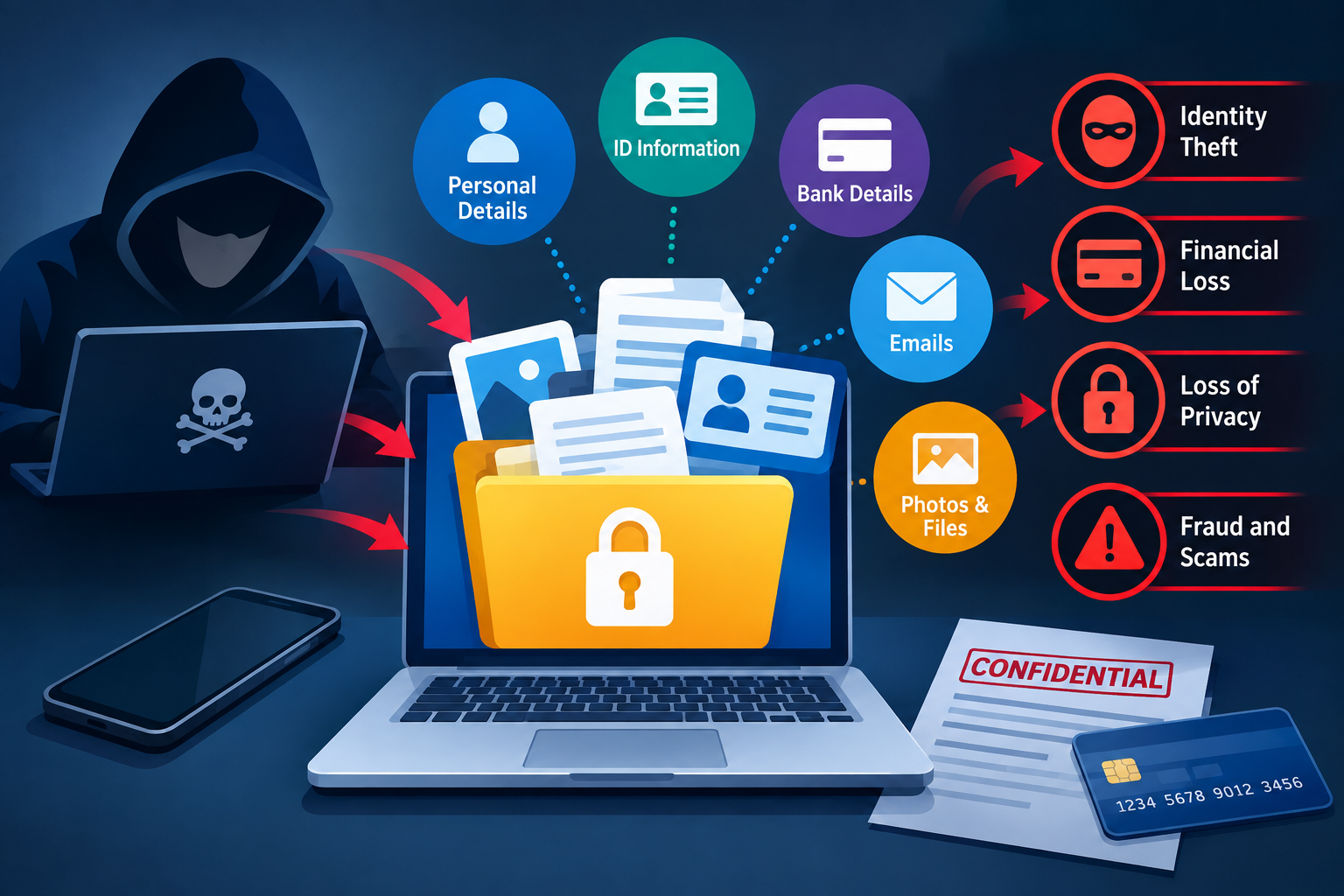
Every day, people send messages, shop online, use banking apps and save photos in the cloud. All of this creates huge amounts of data, and a lot of it is personal or financial.
Criminals know this. They attack digital systems to steal information, which they use for fraud (tricking people to get money) or identity theft (pretending to be someone else).
This lesson covers the main risks to your data, the tools and habits that protect it, and how online payments are kept safe. Each sub-section ends with questions to check your understanding.
LEARNING OBJECTIVES
• Be aware of risks to data: unauthorised access, deliberate damage by malware, accidental deletion, and theft of personal data (phishing, pharming).
• Know the methods that secure data online: firewalls, encryption, passwords, PINs, biometrics, CAPTCHA tests, security questions, anti-malware, file permissions, secure websites, careful use of attachments and links, and backups.
• Know about online payment systems (third-party processors such as PayPal, bank cards, contactless NFC cards) and how payments are protected (VeriSign, HTTPS)
Ready to explore?
Don’t just memorise the names of cyber threats. Discover how phishing, malware and pharming really work, why firewalls, encryption and strong passwords protect us, and how your money and personal data are kept safe online.
Explore the topic 1, test your knowledge, and build the confidence you need for your Edexcel IGCSE ICT exam.